
ATTENTION
Page under construction!
Cross-country skiing is a fantastic way to stay fit and experience the natural beauty of our province. It’s easy to learn, anyone can do it, and many trails can be used free of charge. Creating your own tracks through untouched snow is magical – whether you’re skiing at snow-covered parks, or even in your own backyard. Consider joining a club to become part of the ski community, meet new people, access expertly groomed trails, or take part in lessons. Enjoy the cross-country skiing movement year-round, by participating in roller-skiing.
How do I Start? Dressing for the Weather + Learning to Ski
Dressing for weather, clubs, lessons, courses, events
Step one, is dressing for the weather! Strategic clothing choices ensure longer ski days and improve overall enjoyment of the sport – especially for new little skiers.
The easiest way to get started in our sport, is to find a Club in your area that offers lessons for all ages. Check our calendar for ski ambassador try-it sessions and coached social skis.
Are you interested in learning to teach your kids skiing through fun and games? Consider taking the free online Introduction to Community Coaching course. Check out Nordic Ski Lab, an online ski school, making it easy to access technical drills.
Loppets are friendly cross-country ski events where we gain motivation to ski, with a festive atmosphere and distances for all experience levels – if your youngster gets hooked on skiing fast, consider club lessons which are a common pathway to our provincial ski team.
Equipment
Find a good ski match
It is important to source a ski that is suited to the type of terrain you will be skiing and technique of choice – classic or skate. The ski should also be a good match for your ability-level and physical size. Visit a qualified ski technician by contacting one of our province’s long-standing stores specializing in our sport, such as Hub Cycle or The Trail Shop.
You can also find a club in your area that may have volunteers who can assist you with equipment. Many clubs offer seasonal rental equipment for a nominal fee. Recreation departments offer ski loans or rentals.
View a listing of where to buy, rent or borrow skis in Nova Scotia. Learn more about How to Choose Cross-Country Skis. The Nordic Ski Binding Compatibility Guide will help you understand how to align bindings, boots and skis.
Classic or Skate Skiing?
Technique specifics
There are two styles of skiing. Each style uses a different kind of ski and length of pole. View this video demonstrating each technique, click here.
Classic skiing is the stride-and-glide motion that many people think of when they picture cross-country skiing. You shift your skis forward one at a time. Classic skiing can be performed in a set ski track, or you can blaze your own trail in an ungroomed area – such as a park, forested area, or even your own backyard. This technique requires less balance, so you can slide along as you learn the technique and build your fitness level.
Skate skiing is highly aerobic and involves a motion similar to ice-skating. Many people skate ski on groomed paths, often next to the track set for classic skiers.
Which style of skiing is right for you? We recommend trying classic and skate skiing. Learning both disciplines will expand your ski season – you’ll be able to ski more types of terrain under a wider range of snow conditions. Also consider having a few pairs of “rock skis” (skate and classic) that you can use when snow coverage is not optimal – you won’t damage your primary skis and you can experience even more adventures on snow. As you gain experience, you may want to add to your fleet of skis!
Wax Basics
Tutorials
In both classic and skate skiing, the base, or bottom, of the ski is very important. The base gives you the grip and glide to move forward. All skate skis require glide wax. There are two types of bases for classic skis: waxable and waxless (scale skis). Most new skiers use waxless skis. These are skis designed to move forward without having to apply wax to the grip zone area on the base of the ski (the tips and tails of the skis will require glide wax).
People who have been skiing for a long time often use waxable skis. Depending on the conditions, they will apply a different kind of wax to the base of their skis.
Nordiq Canada offers an online waxing tutorial to provide the basics of waxing for skiers of all abilities, including those just getting started.
Where can I ski?
Types of trails, snow report
Discover skiing options in Nova Scotia, by visiting our Snow Report page. Learn more about the different types of trails available, view Trail Classifications and Definitions and understand responsible skiing practices by learning the Cross-Country Responsibility Code. For examples of where skis can take the whole family, click this article, How to Ski Without a Track.
Events
Find fun social skis, learn the basics
Come out to fun ski events to share time with outdoor enthusiasts and watch as your motivation increases to ski more. Our events calendar includes ski events across the province, all in one place. View try-it sessions, social skis, and coached clinics by our ski ambassadors. Find events hosted by our four ski clubs and municipalities. We also post races, coaching clinics, and official’s training.
Ski Guides
Articles based on frequently asked questions. Happy skiing!
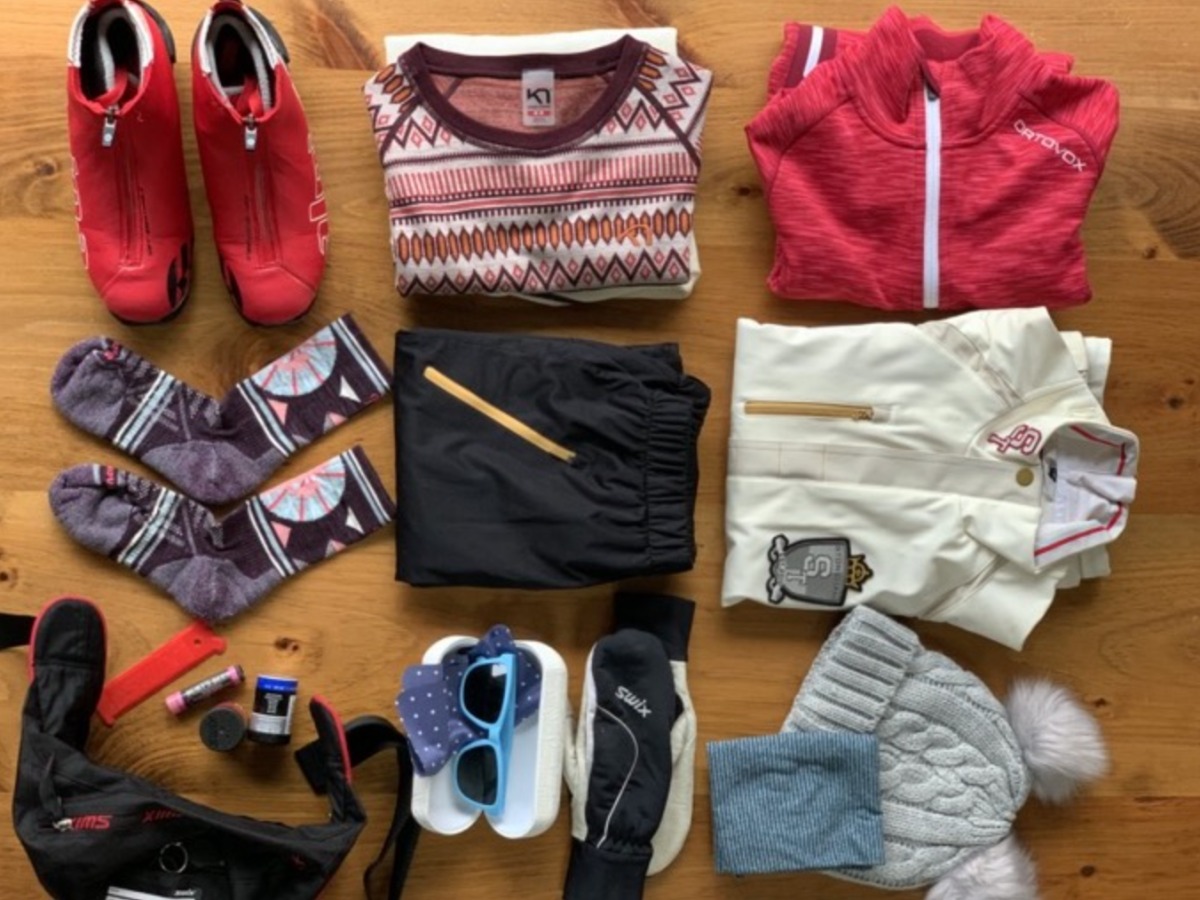
What to wear cross-country skiing
Feature Article by, Nordic Ski Lab Enjoy tips on dressing for cross-country skiing in the feature article below, by Nordic Ski Lab. We like to introduce our readership to skiing resources that educate, inspire and motivate you to ski, and ski more. Nordic Ski Lab publishes articles, slow motion technique videos, and lesson plans to…



 Cross Country Nova Scotia